This is arguably the single biggest advance to improve the safety of sailors. Most people will be familiar with it. If you are, jump to “installation” or “what to consider”. If not read read on.
What is AIS? There are two parts to think about a “transmitter” and a “receiver”.
An AIS transmitter, transmits a “radio signal” that contains information about the vessel. For a yacht this will typically include size, speed, heading, course, position. For a commercial vessel it will display the same plus some or all of the following: rate of turn, destination, tonnage, registration, type of cargo.
An AIS receiver receives the information from all vessels transmitting within range and displays the transmitted information. However, the receiver also knows the position, speed etc of the receiving vessel so it calculates (assuming nothing changes) the following helpful information which can help alert to a dangerous situation:
- The closest distances the vessels will come to each other (CPA = closest point of approach)
- In how many hours/minutes that will occur (TCPA= time to CPA)
- It will calculate the range and bearing of the other vessel relative to your vessel.
The receiver can also be programmed to provide an alarm, if for example the vessels are predicted to pass with 1 nm or pass in 30mins time. These variables can be changed.
We should consider this equipment essential these days and please buy a transceiver, i.e. it transmits and receives. You can always switch off transmission if you feel threatened say by an area of pirates and you need to hide your position.
IMPORTANT: Not all vessels are obliged to have AIS and many fishing vessels don’t have them. You must still rely on your vision and other means to establish whether the situation is safe or not and it is your responsibility to take all possible action to avoid a collision.
Which AIS model to buy?
All the main brands have AIS. If you think you have found a bargain check whether it is a receiver only and is that what you want.
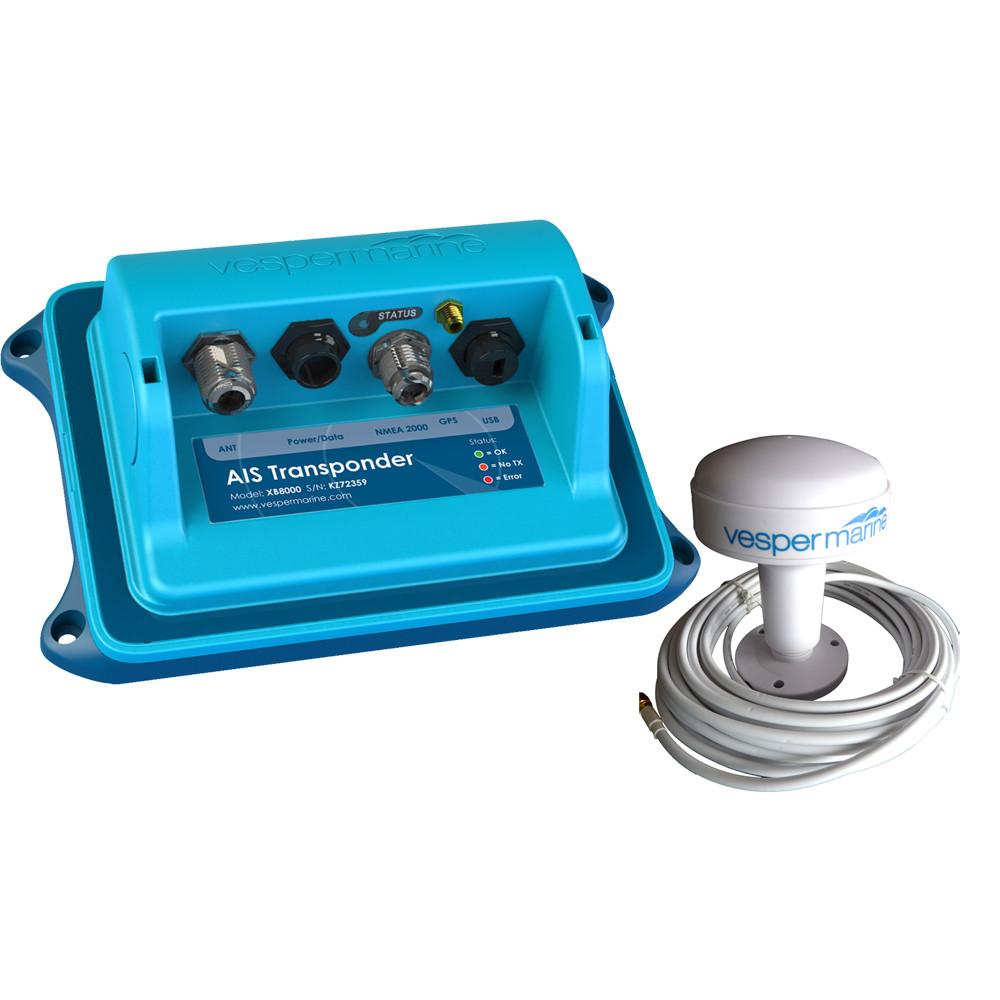
The Vesper Watchmate XB-8000 is an awesome piece of equipment.
I liked the combination of WiFi and NMEA 2000 compatibility and ease of installation. Vesper were early pioneers of quality AIS transceivers and have now been bought by Garmin. Expect to pay ~£1000 for a transceiver. If you can only afford a receiver, consider upgrading your VHF for one that has a built in AIS receiver. Something like the ICOM IC-M510E. You can also find a VHF with built in transceiver. I prefer to have the transceiver separate from the VHF.
If your budget can stand it, buy a separate transceiver and a DSC VHF with integrated AIS. That way you have a backup AIS receiver for not much more than a good VHF would cost.
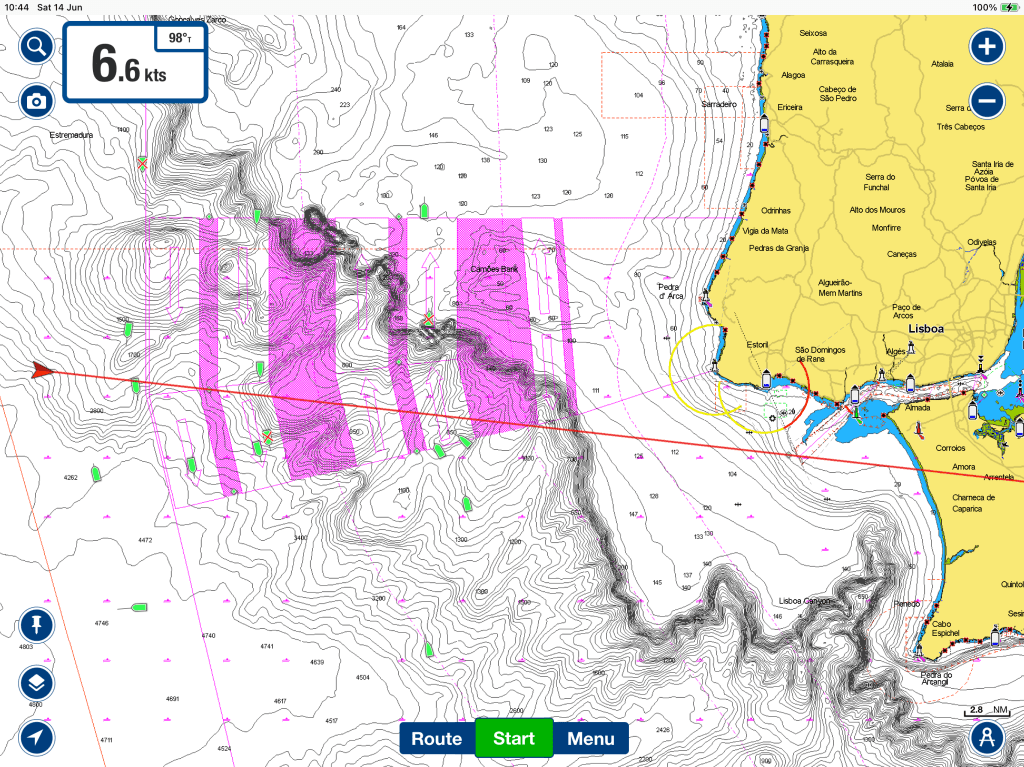
The image below shows my vessel (red triangle) approaching a traffic separation scheme near Lisbon. The AIS is showing all the target vessels in green. By clicking on one of the green shapes a dialogue box opens giving information about the vessel.
The link above gives installation tips
 A Dragon's Tale